Flooring
Epoxy Coatings

Areas of Application
- Wall and floor coating in ablution blocks,
- Food processing plants,
- Hospitals and schools,
- Machine plants,
- Warehouse floors,
- Grocery stores,
- Retail outlets,
Description
Hard wearing – epoxy coatings are designed to ensure that surfaces are sealed and kept hygienically free of contaminants that might spread disease. They are also aesthetically appearing and create a clean fresh appeal to the substrates when applied. An epoxy coating is also easily repaired when damaged.
Application Method
Surface preparation is most important, and the system requires in some cases diamond grinding, and then various primers are laid to the substrate, and then applied to a thickness with various colours available.
Linings
Chemical Resistant Linings

Areas of Application
- Process slabs,
- Tank farms,
- Chemical loading and unloading areas,
- Spilt containment areas,
Description
Chemical Resistant Linings: – are required when chemicals are store in contained concrete tanks, or when acids and other chemicals need to be contained to prevent further dispersion of the chemical to other areas of the plant or factory.
Application Method
Surface preparation is paramount; various products are available for certain applications. These linings require careful application to substrates to ensure cross contamination.
Coatings
Pressure resistant systems

Areas of Application
- Wall and floor coating in ablution blocks,
- Food processing plants,
- Hospitals and schools,
- Machine plants,
- Warehouse floors,
- Grocery stores,
- Retail outlets,
Description
Hard wearing – e poxy coatings are designed to ensure that surfaces are sealed and kept hygienically free of contaminants that might spread disease. They are also aesthetically appearing and create a clean fresh appeal to the substrates when applied. An epoxy coating is also easily repaired when damaged.
Application Method
Surface preparation is most important, and the system requires in some cases diamond grinding, and then various primers are laid to the substrate, and then applied to a thickness with various colours available.
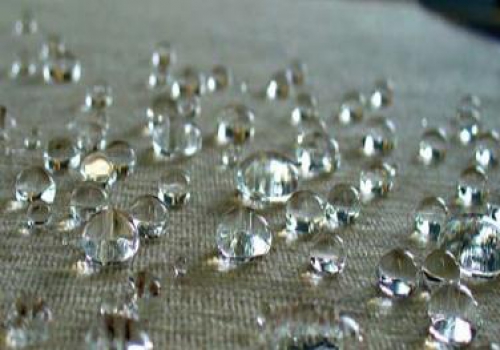
Water repellent systems
Areas of Application
- Process slabs,
- Tank farms,
- Chemical loading and unloading areas,
- Spilt containment areas,
Description
Chemical Resistant Linings: – are required when chemicals are store in contained concrete tanks, or when acids and other chemicals need to be contained to prevent further dispersion of the chemical to other areas of the plant or factory.
Application Method
Surface preparation is paramount; various products are available for certain applications. These linings require careful application to substrates to ensure cross contamination.
Textured Epoxy Coatings

Areas of Application
- Process slabs,
- Tank farms,
- Chemical loading and unloading areas,
- Spilt containment areas,
Description
Chemical Resistant Linings: – are required when chemicals are store in contained concrete tanks, or when acids and other chemicals need to be contained to prevent further dispersion of the chemical to other areas of the plant or factory.
Application Method
Surface preparation is paramount; various products are available for certain applications. These linings require careful application to substrates to ensure cross contamination.
Joint Sealants
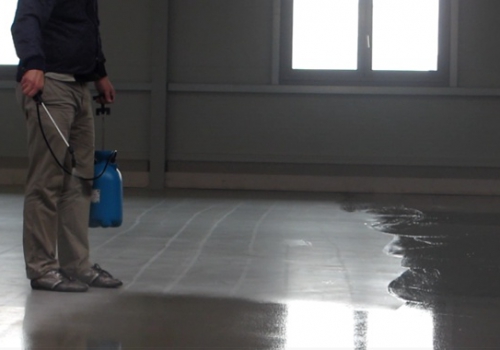
Industrial floor Sealants
Areas of Application
- Industrial floors
Description
This two part-component epoxy modified semi -gloss rigid sealant is used for filling non – moving control and construction joints in industrial floors.
Application Method
Each component is carefully mixed, and applied to the void.
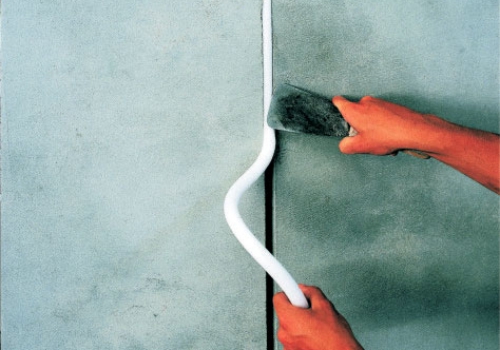
Polysulphide Sealant
Areas of Application
- Sealing vertical or horizontal joints,
- Windows and door frames,
- Cladding on high rise buildings,
- Joints in chemical plants and food processing plants,
Description
This trafficable joint sealant is suitable in areas exposed to intense UV and weather conditions, water retaining structures and sewage works
Application Method
The sealant is applied to a carefully prepared surface with priming agents and then cured for a period of time.
Polyurethane Sealants

Areas of Application
- Poured concrete joints,
- Precast, window and door perimeters,
- General construction joints,
Description
General construction sealant for exterior and interior use.
Application Method
The sealant is applied to a carefully prepared surface with priming agents and then cured for a period of time.
Waterproofing
Rubberised Bituminous Waterproofing

Areas of Application
- Parapet walls,
- Flashings,
- Overlaps & bolt heads on tin roofs,
Description
A two part embedded system applied to a substrate to waterproof the substrate.
Application Method
Applied by hand and brush and embedded in SBP, and coated with UV protective silver paint.
Acrylic Waterproofing

Areas of Application
- Parapet walls,
- Flashings,
- Overlaps & bolt heads on tin roofs,
Description
A two part embedded system applied to a substrate to waterproof the substrate. This system is UV stable and is available in various colours.
Application Method
Applied by hand and brush and embedded in SBP.
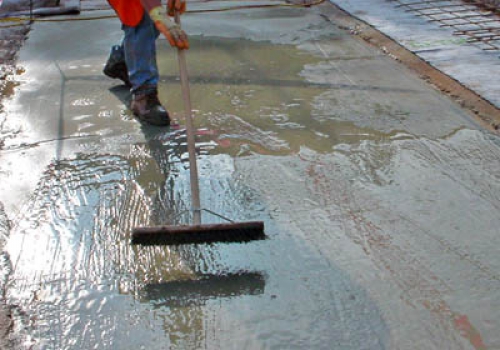
Cementitious Waterproofing
Areas of Application
- Balconies,
- Shower walls & floors,
- Window sills,
- Ledges,
- Ponds,
Description
A two part embedded system applied to a substrate to waterproof the substrate. This system is UV stable and is available in various colours.
Application Method
Applied by hand and brush and embedded in SBP.
Torch -on (heated systems)

Areas of Application
- Concrete roofs,
- Retaining walls,
- Insulated Systems,
- Balconies,
- Shower walls & floors,
Description
Torch – on is used extensively for the waterproofing of flat substrates that require a full water tight seal to prevent water damage to contents below. Torch – in is heated and then fused to the surface after careful preparation of the substrate .
Application Method
Carefully prepare and clean the surface; primer the surface with solvent or water based bitumen primer; roll out the torch -on waterproofing with 75mm overlaps and 150mm endlaps; then with the heated torch burn the bitumen mat to the surface and fuse the overlaps and endlaps together; thereafter applying a counter flashing embedded in stitch bonded polyster with rubberised or acrylic waterproofing and coated with a UV stable coating of bituminous silver paint or colour top coat to protect the waterproofing from the UV rays
Cold Systems (self-adhesive)
Areas of Application
- Concrete roof,
- Retaining walls,
- Insulated Systems,
- Balconies,
- Shower walls & floors,
Description
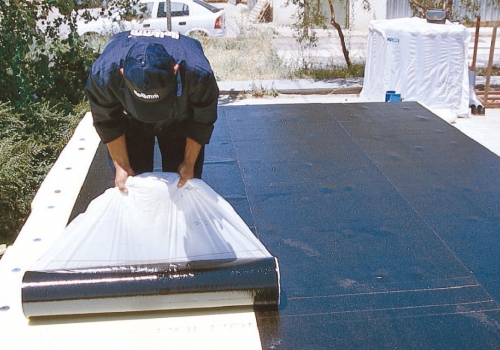
Cold systems are used in heat sensitive places; example would be a flat concrete
roof next to a thatch roof.
Application Method
The cold system surface is carefully prepared; after applying a solvent based primer to the surface; the self-adhesive system is rolled out by peeling off the protective layer and allowing it to adhere to the surface with minimal pressure over the double sided mastic tape pre – installed laps to ensure that overlaps adhere with consistency over the abutted joints. The system allows for direct tiling over, or alternatively painting a protective UV stable colour top coat.
